Types of solar panels
Solar electricity has a future
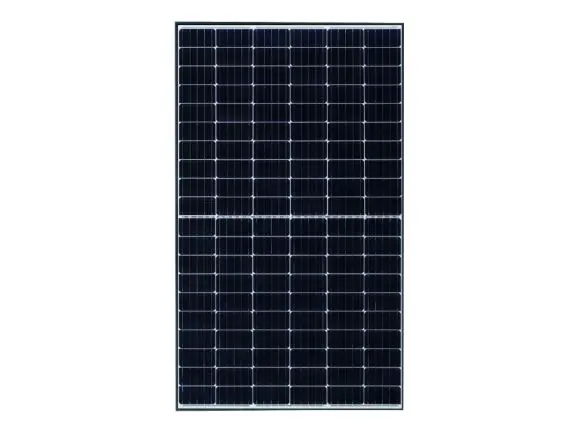
Vitovolt 300 M375 AG, Blackframe
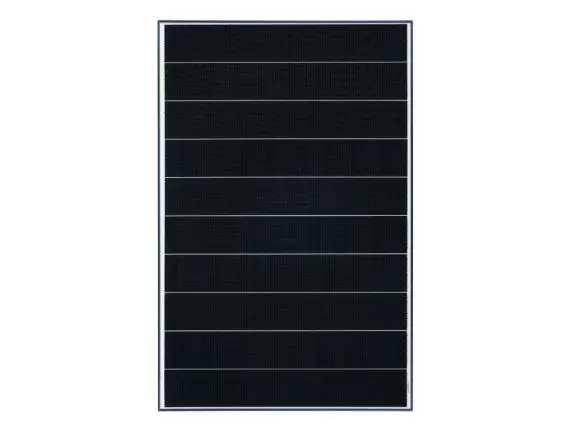
Vitovolt 300 M405 WE Blackframe

By using a rooftop solar panel system, every homeowner becomes an electricity producer
Conventional power plants use only one third of the primary energy used to generate electricity. Thus, about two-thirds of the energy generated in central power plants and distributed throughout the grid is wasted. Electricity generation traditionally has a significant negative impact on the environment. Therefore, it is important to generate electricity decentralized and close to consumers using renewable energy sources such as solar, wind, water and biomass.
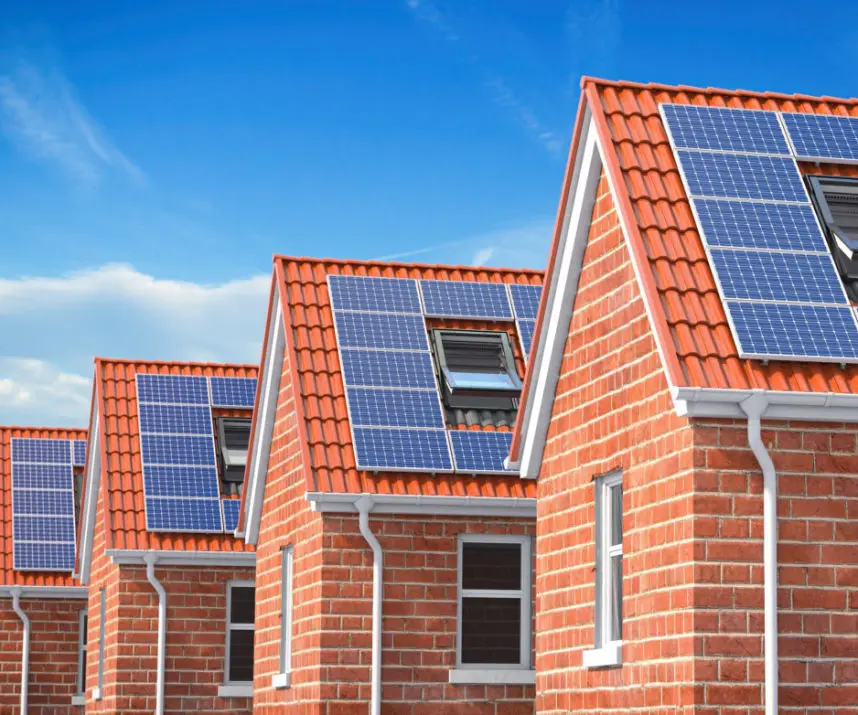
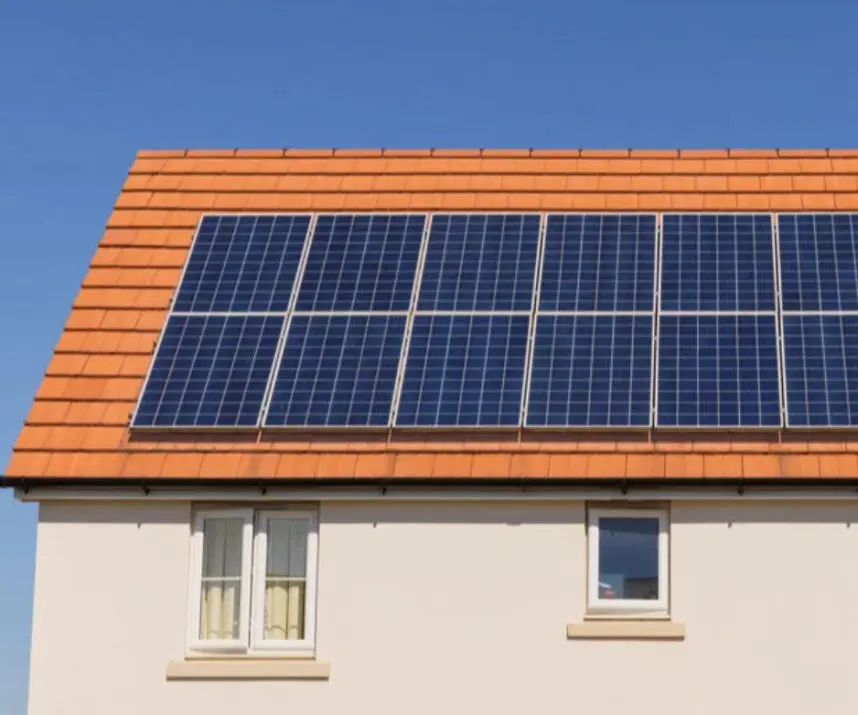
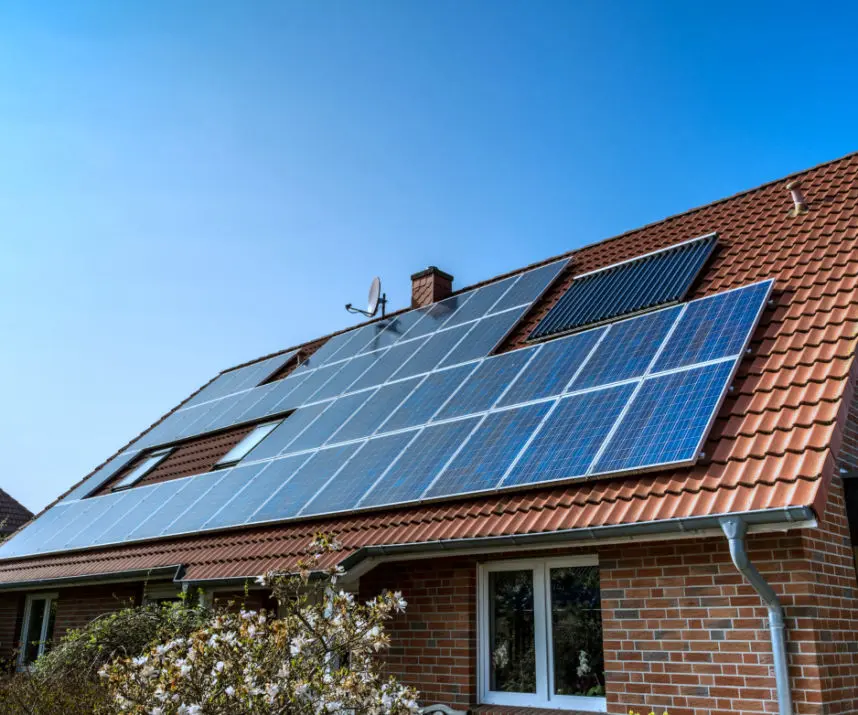
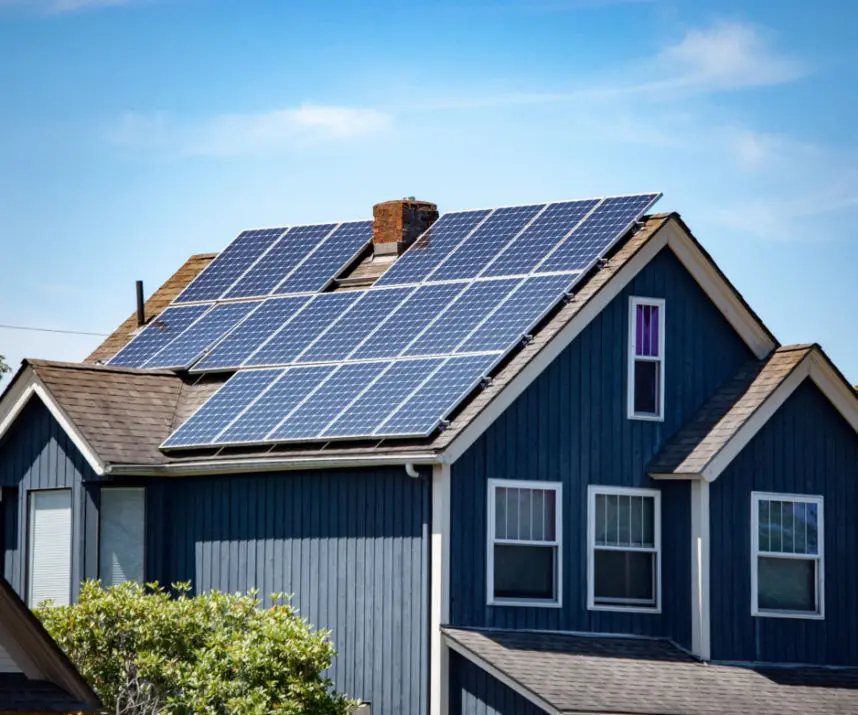
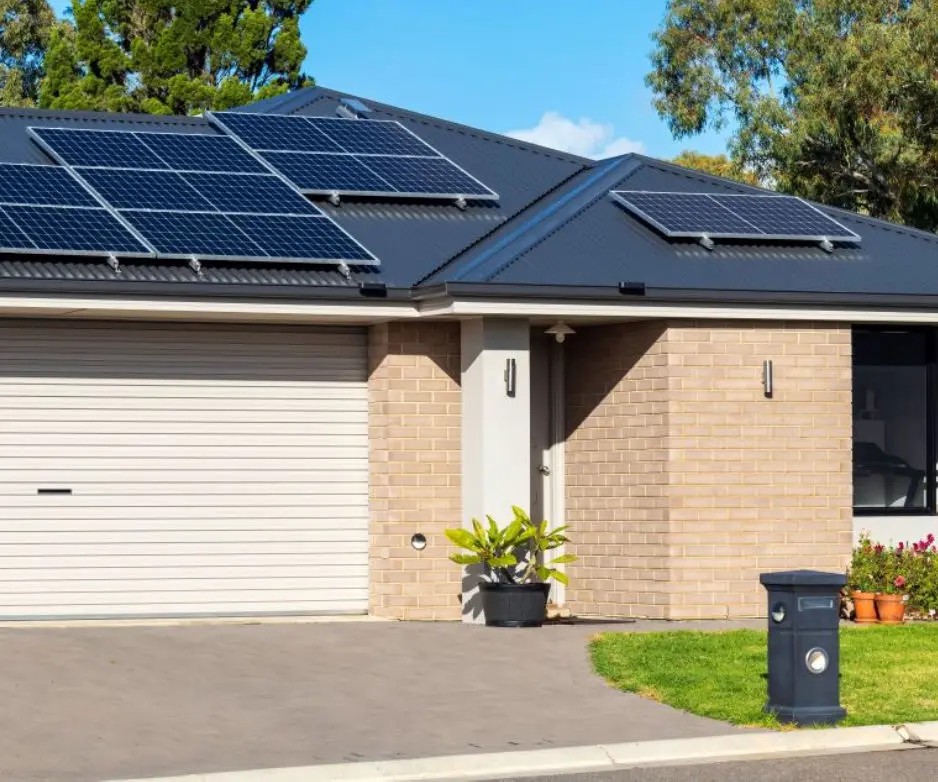
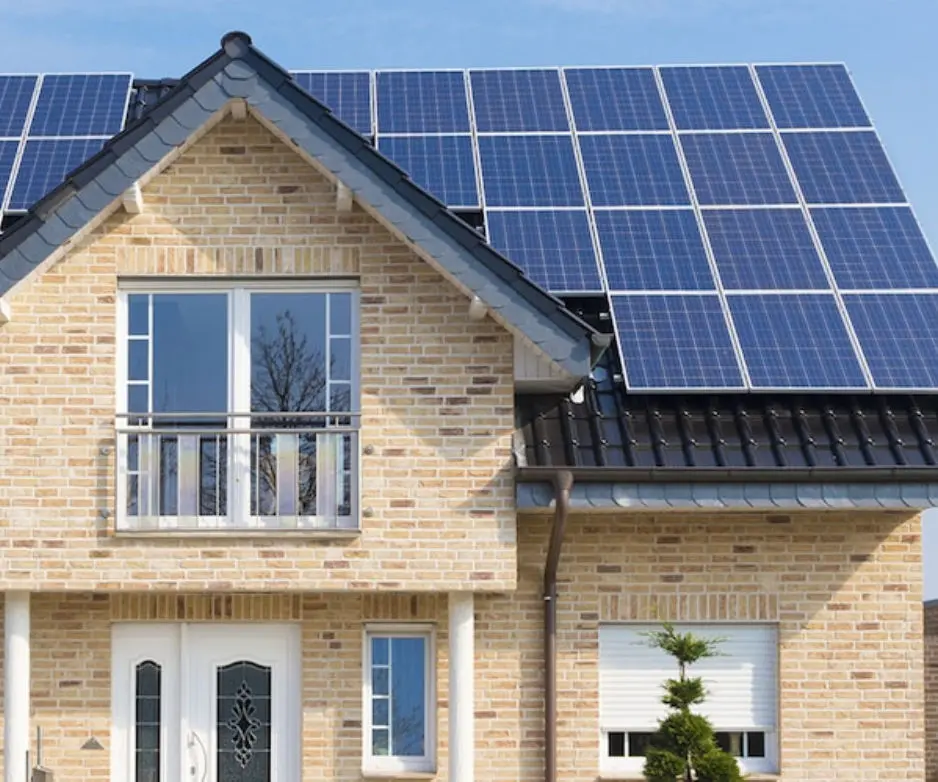
By using a rooftop solar panel system, every homeowner becomes an electricity producer. Everything is very simple - the modules are installed, the connecting wires and the inverter are connected, and everything is ready to go. If necessary, a battery power system is added. Today, more and more customers are showing interest in this type of electricity generation.
Solar energy is a renewable energy source that is gaining popularity due to its benefits.
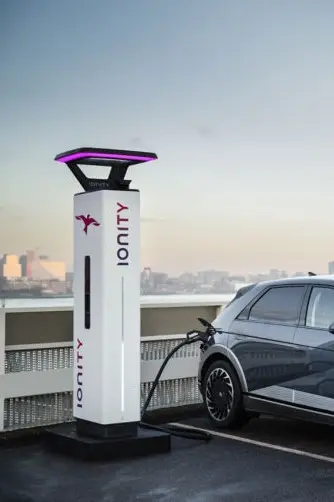
An innovative practice to effectively make use of the sunshine is with transportation powered by photovoltaic (PV) energy.
Railroads, subways, buses, planes, cars and even roads can all be powered by solar, and solar transit is becoming a popular offering in the renewable energy sector.
Recently, the solar powered-aircraft Solar Impulse 2 made its way around the world, soaring across the Pacific and making big splashes in iconic photographs.
Meanwhile, solar buses are helping China reduce its carbon footprint while simultaneously maintaining efficient mass transit in densely populated cities like Beijing.
Finally, solar cars are starting to play a role in racing competitions around the world, especially in Australia where the SolarSpirit model has gained major recognition.
With these advances and more, there’s no question that solar power is the transforming transportation sector around the world.
The term ‘solar panel’ is often used interchangeably to describe the panels that generate electricity and those that generate hot water.
This page focuses on those technologies that generate electricity from light.
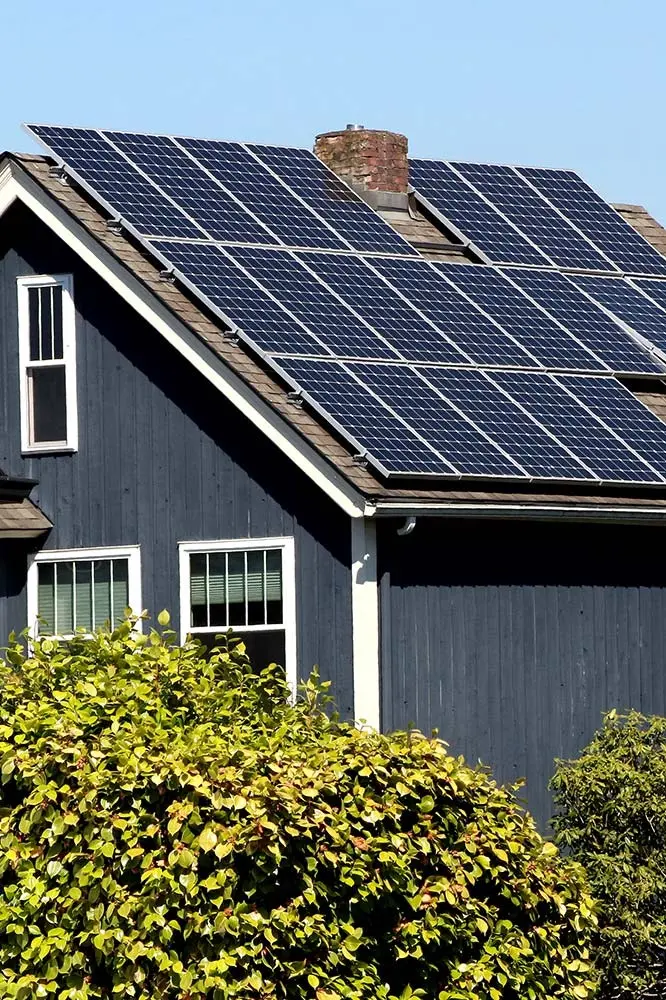
While there are many factors that affect the amount of energy a solar panel can produce, you can expect a typical single solar panel in the United States to generate about 1- 2 kWh per day, which saves an average of about 0,36 EUR on electricity costs per day.
Now, 0,36 EUR doesn’t seem like a lot, but that’s just the energy savings for one panel over the course of one day. Installing a whole solar panel system, on the other hand, would save you more like 132 EUR a month (or more!).
Most residential solar panels used today have a power rating of somewhere between 300 and 420 watts in size. The higher the wattage of a panel, the more electricity it can produce.
The wattage of a panel has to do with the way the panel is constructed. The type of solar cells used, for example, influences the wattage of a panel. This is why most solar panels today use something called monocrystalline solar cells, because they’re able to generate more electricity than older solar cell technologies (namely polycrystalline solar cells).
The simplest way to use a higher percentage of the electricity generated is to design the PV system to meet the average daily electricity demand of the house, although this may mean a very small PV system is installed if demand is low during the daytime.
Another simple measure is to install a ‘diverter switch’ which diverts any unused electricity to heat your hot water in your immersion tank. In this way some of the energy generated is stored as hot water, which you can use later.
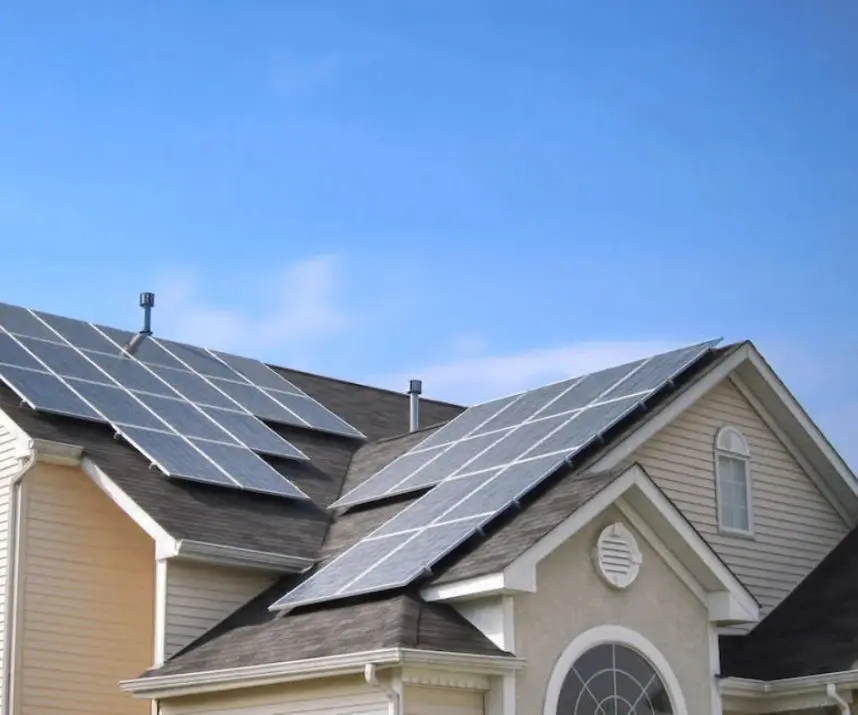
Finally, a more complicated option is to install a PV system which does not face south, but faces west or east. This will provide more energy in the morning or the evening when you have a greater demand to use it. However, an east- or west-facing PV system will generate less energy over the year than a south-facing system
Adding a battery to your solar PV system means the battery will charge when the PV system is generating electricity which isn’t being used, and then discharge when you need it next (normally that evening/night). A battery can increase the percentage of solar PV electricity you use in your house. Adding a battery to the system will increase the cost of the PV system and some energy will be lost in the battery during the charge and discharge cycle.
There is currently no obligation for energy suppliers to pay their customers for the electricity they generate with their solar panels (sometimes known as a ‘feed-in-tariff’). It is up to energy suppliers to decide whether they wish to offer such a scheme to customers.
PV systems are low-maintenance, but not zero maintenance. The most important aspect is to monitor the performance of your system regularly. This could simply be a routine check of your inverter to see that the system is operational and that the energy meter is increasing each day.
You should get an idea from your installer about how much the PV system should generate each year, and see that your system is generating close to that amount. Some suppliers will provide you with access to this information via your smartphone. The most common point of failure is the inverter, which may need to be replaced at some point in the PV system’s lifetime.
The solar panels themselves are extremely robust, but consideration should be given to cleaning them every few years to maintain their performance. If you live near the sea or a main road more regular cleaning may be necessary.
Consult the FAQs on solar PV(opens in a new tab) for more information on planning and other consideration related to solar farms.
The most common photovoltaic modules, or solar panels, on the residential solar market contain monocrystalline or polycrystalline (also called multicrystalline) solar cells. Both types of PV cells produce electricity when exposed to sunlight, however there are some differences between the two.
There are many panel manufacturers that build panels containing both mono and polycrystalline wafers to form solar cells, capable of harvesting energy from a wider spectrum of light. If space is limited on your roof or project site, a higher-efficiency, a monocrystalline panel may be preferred and could result in a better return on investment (ROI).
On the other hand, it’s possible a lower-cost, slightly less efficient, the polycrystalline panel might fit your needs best. Be sure to ask what type of cell (“mono or poly”) your solar system design contains – this distinction may affect the aesthetics and economics of your project.
It’s important that your solar panel array(s) are installed in areas that receive good insolation (sun exposure) throughout the day, free from as much shading from trees or neighboring obstructions as possible. This will ensure your system is as productive as possible, given the site conditions.